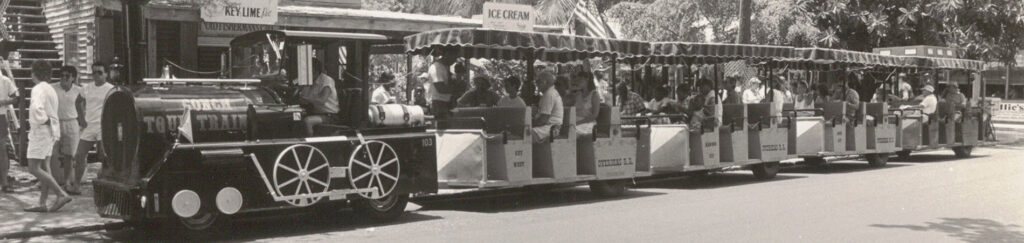
Yes, both experiences are designed to fit into a single day. The train route keeps major historic Key West landmarks close together, which reduces walking time and planning stress. Many visitors start with the train to get oriented, then return to places they want to explore more deeply afterward as part of their Key West history tours.
How Does the Conch Tour Train Trace 250 Years of Key West History?
As the country approaches its 250th anniversary, many people start thinking about where American history unfolded and how those stories are shared today. Key West is often left out of that conversation, even though the island has played a steady role in trade, travel, and national events for centuries.
The Conch Tour Train has long been part of how visitors experience that history. Rather than focusing on isolated facts, the narration moves through Old Town in a way that links places to moments in time. As the train passes through different neighborhoods, the stories shift naturally from early maritime life to later periods when new industries and national figures shaped the island’s direction.
The timeline begins with the Age of Sail, when wreckers, sailors, and merchants defined daily life in the 1700s. It then moves into the Age of Rail in the early 1900s, when new connections changed how people and goods reached the island. The tour also covers the presidential era of the 1940s, when Key West became a working backdrop for national decisions. Seeing these chapters unfold near familiar historic Key West landmarks helps the island’s past feel organized, grounded, and easy to understand.
What Role Did Key West Play During the Revolutionary Era?
From 1776 to 1821, Key West followed its own path during the Revolutionary period. While the mainland colonies were fighting for independence, Florida remained under British control. At the time, Key West was known as Cayo Hueso and served as a quiet maritime gateway for ships moving through the region.
This part of the island’s story often comes up on Key West history tours because it explains why the island developed the way it did. Loyalists who supported the British Crown passed through or settled in the area, bringing trade, supplies, and news with them. Ships moved in and out of the harbor regularly, and that steady activity helped shape daily life on the island.
As tours move through Old Town, guides often point out architectural details that trace back to this period. Bahamian and British colonial influences still show up in rooflines, shutters, and building layouts. These features existed long before modern Florida took shape and remain part of many historic Key West landmarks today.
Narration during this section also focuses on early wreckers. These crews recovered cargo from ships that ran aground on nearby reefs. Wrecking was legal at the time and became an important way for residents to earn a living. Those stories help explain how survival, trade, and opportunity shaped Key West during the nation’s earliest years.

How Did Industry and Rail Shape Key West’s Growth?
Another key chapter shared during Key West history tours centers on how the island became more closely connected to the mainland. Early trade relied heavily on maritime routes, including Spanish galleons that once carried silver through Florida waters. Artifacts like recovered silver bars help anchor that history in objects people can still see today.
As industry expanded, new ideas about travel and transport reached the island. Rail access changed how people, goods, and information moved through the Keys. The Sails to Rails Museum* helps explain this shift by showing how shipping, engineering, and planning worked together over time. Exhibits trace the move from sail-powered trade to rail travel without treating it as a single moment or location.
*Sails to Rails is temporarily closed as we prepare to journey to an exciting new location.
Henry Flagler’s Overseas Railroad often comes up because it highlights the effort required to connect the island to national routes. Building across open water and fragile terrain took years of planning and persistence. That connection influenced commerce, travel, and communication in ways that still shape the island today.
For visitors, this section helps link historic Key West landmarks to broader changes happening across the country. It shows how local history fits into a larger national story while still staying rooted in the streets and structures people see every day.

Why Does the Presidential Era Matter in Key West?
The Harry S. Truman Little White House sits just off Whitehead Street, close enough to the harbor that naval activity was part of the daily backdrop. During the late 1940s, Harry S. Truman spent extended periods working from this house, using it as a functional base rather than a getaway. Over the course of several visits, he logged 175 working days here, reviewing briefings, meeting with military leaders, and handling routine presidential business away from Washington.
What stands out to many visitors is how ordinary the space feels. Desks, chairs, and meeting rooms remain simple, and the layout reflects how work happened in smaller, quieter settings at the time. That atmosphere helps explain why the house keeps coming up in Key West history tours. Decisions tied to global tensions and domestic policy were made in rooms that still look much the same, which gives the site a grounded, lived-in feel instead of a ceremonial one.
The house stayed connected to presidential use after Truman’s time. Dwight D. Eisenhower, John F. Kennedy, and Bill Clinton all spent time here as well. Inside, the rooms feel personal rather than formal. Visitors still see the midcentury furniture, handwritten notes, and the poker table where conversations often drifted between work and downtime. Those details help explain how national decisions were shaped in a place that felt far from Washington but stayed closely connected to it.
Why Is the Train Considered Part of the Story?
The Conch Tour Train has become part of Key West’s story simply by being there for so long. It follows the same streets day after day, pointing out homes, businesses, and landmarks that locals have passed for generations. Over time, that repetition turned the train into something familiar rather than just a ride.
Many of the drivers grew up on the island, and some come from families who have lived there for decades. Their narration often includes stories they heard growing up, mixed in with recorded history. That blend gives the experience a lived-in feel. People often mention that a parent or grandparent rode the train years ago, and now they’re back doing the same thing with their own family. That shared experience across generations is part of why the train feels tied to Key West itself, not just its history books.
How Can You Plan a Smooth Historic Day in Key West?
A history-focused day in Key West works best when it starts early and stays centered in Old Town. A 9 AM start gives you cooler air, fewer people on the sidewalks, and quieter museum spaces. Streets feel easier to move through at that hour, and guides tend to have more time to answer questions instead of managing crowds.
Many visitors choose to bundle the Conch Tour Train with the Truman Little White House. That setup keeps everything within a short walking distance and helps the day follow a clear timeline. You move from early settlement and wrecking days into the railroad era, then into the years when presidents used the island as a working retreat. Nothing feels rushed, and there’s no need to backtrack across town.
Lunch usually lands on Duval Street, where history blends into daily life. Sloppy Joe’s comes up often because it has stayed part of the street’s routine for decades. The space still feels informal, the location keeps you close to other landmarks, and the connection to Hemingway gives the meal some context without turning it into a museum stop.
Plan Your Visit to Historic Key West Soon!
Key West offers a reminder that American history didn’t unfold in just one region. Seeing landmarks in order, hearing how one era leads into the next, and spending time in buildings that still look much the same gives the past some weight. The experience on the Conch Tour Train feels steady and clear, not rushed or theatrical, which helps the history stick.
Plan Your Visit to Historic Key West Soon!
Key West offers a reminder that American history didn’t unfold in just one region. Seeing landmarks in order, hearing how one era leads into the next, and spending time in buildings that still look much the same gives the past some weight. The experience on the Conch Tour Train feels steady and clear, not rushed or theatrical, which helps the history stick.
FAQ's
Yes, the Conch Republic story is usually included as part of the island’s more recent history. Guides explain what led to it and how it reflected local attitudes toward independence and self-rule. It’s often discussed alongside other moments that shaped community identity during Key West history tours.
Yes, the Civil War era is part of the narration, especially through stories tied to Fort Zachary Taylor and the island’s naval role. Guides explain how Key West remained active during the war and why control of the harbor mattered. These details come up often in Key West history tours because they show how the island stayed involved even when fighting happened elsewhere.
Yes, many families choose these Key West history tours because the storytelling stays clear and place-based. Kids often respond better when history is connected to buildings they can see and objects they can recognize. Historic Key West landmarks give guides natural reference points, which helps younger visitors stay engaged without needing long explanations.
Yes, visitors can tour the interior of the Truman Little White House. The rooms are set up much as they were during Truman’s stays, with original furnishings and workspaces still in place. This stop is often highlighted during Key West history tours because it shows how the island functioned as a working base for the presidency, not just a retreat. It also sits close to other historic Key West landmarks, which keeps the day moving smoothly.
Yes, the Conch Tour Train is fully narrated the entire time. Guides explain how different parts of Old Town developed and why certain streets and buildings keep showing up in Key West history tours. The narration stays tied to real events and locations, which helps historic Key West landmarks feel connected instead of scattered. Many guests say this makes the island easier to understand on their first day.